

Menstrual Disorders
Cramping, irregular bleeding and PMS
What it is
Intense cramping, very heavy, prolonged, or irregular periods, bleeding outside the expected time, and premenstrual symptoms that disrupt daily life should not be considered normal. These signs can be related to hormonal changes, PMOS, fibroids, polyps, endometriosis and thyroid problems, among other causes. The gynecological consultation investigates the source of the symptoms, with a clinical exam and additional tests when necessary, to recommend the most appropriate treatment, which may include medication to manage pain and bleeding, hormonal methods, and lifestyle changes.
Most common symptoms
- Very heavy periods or periods with clots
- Irregular cycles, very short or very long
- Bleeding outside the menstrual period
- Prolonged periods lasting more than seven days
- Intense cramping that disrupts daily life
- Physical and emotional premenstrual symptoms
- Fatigue and weakness related to anemia
Causes and risk factors
- Hormonal changes and anovulatory cycles
- Polyendocrine metabolic ovarian syndrome (PMOS)
- Fibroids, polyps and adenomyosis
- Endometriosis
- Thyroid disorders and elevated prolactin
- Use of contraceptives, the copper IUD and certain medications
How it is diagnosed
The evaluation begins with the menstrual history: when the cycle changed, the interval between periods, the duration and intensity of the flow, and the presence of clots and pain. The gynecological exam looks for changes in the cervix and uterus. Depending on the case, your gynecologist orders blood tests, such as a complete blood count, hormone levels and thyroid function, and a transvaginal ultrasound to assess the uterus, endometrium and ovaries. When polyps or fibroids are suspected inside the uterine cavity, hysteroscopy completes the investigation.
How we treat it at Femi Saúde
Treatment is directed at the underlying cause and the patient's goals. In hormonally driven cases, the Femi Saúde gynecology team may recommend anti-inflammatory drugs and medications that reduce bleeding, hormonal contraceptives, progestins or the hormonal IUD, along with iron replacement when there is anemia. Lifestyle changes, such as regular sleep, physical activity and a balanced diet, complement the care. When the cause is a polyp or fibroid inside the uterine cavity, surgical hysteroscopy allows the problem to be treated in a minimally invasive way. The plan is individualized and reviewed at follow-up visits, according to the response and the woman's stage of life.
When to see a gynecologist
See your gynecologist if your period now lasts more than seven days, requires changing a pad every one to two hours, comes with large clots or occurs outside the expected time, or if cramping keeps you from your daily activities. Bleeding after menopause should always be evaluated. Book a consultation to investigate the cause.
What we offer
Gynecology specialists

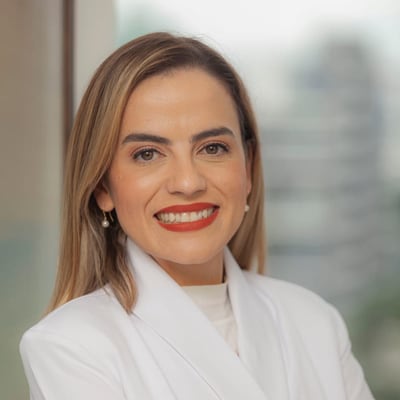
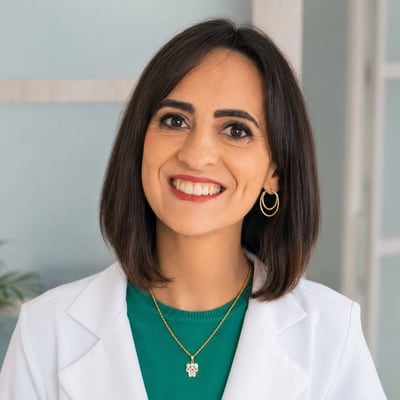
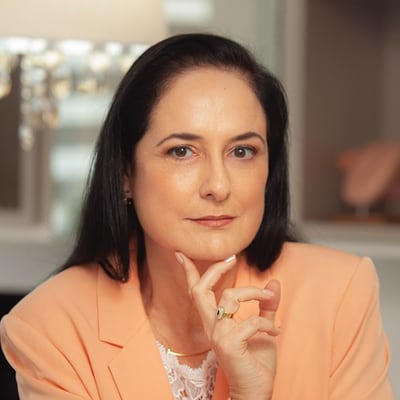



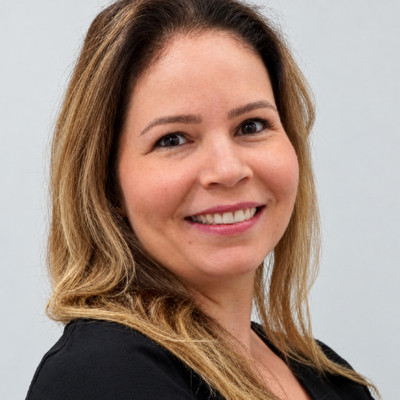
Gynecology treatments at Femi Saúde
CO2 Laser Rejuvenation and Lubrication
Skin Improvement and Lubrication
Implanon® — Hormonal Contraceptive Implant
Freedom and safety in a small implant
Menopause and Perimenopause
Care and hormone therapy when indicated
Family Planning
Preparing for a healthy pregnancy
IUD — Intrauterine Device
Preventing pregnancy effectively
Pap Smear
Cervical cancer screening
Ready to schedule?
Schedule your consultation and discover how this procedure can transform your quality of life.
Schedule via WhatsApp